Africa E-Mobility Week 2025 in Addis Ababa
In October 2025 I took part in Africa E-Mobility Week 2025 at the UN Economic Commission for Africa in Addis Ababa. My takeaways on finance, infrastructure, technical capacity and the case for supply-side regulation and regional harmonisation.
14 October 20253 min read0 likes0 comments
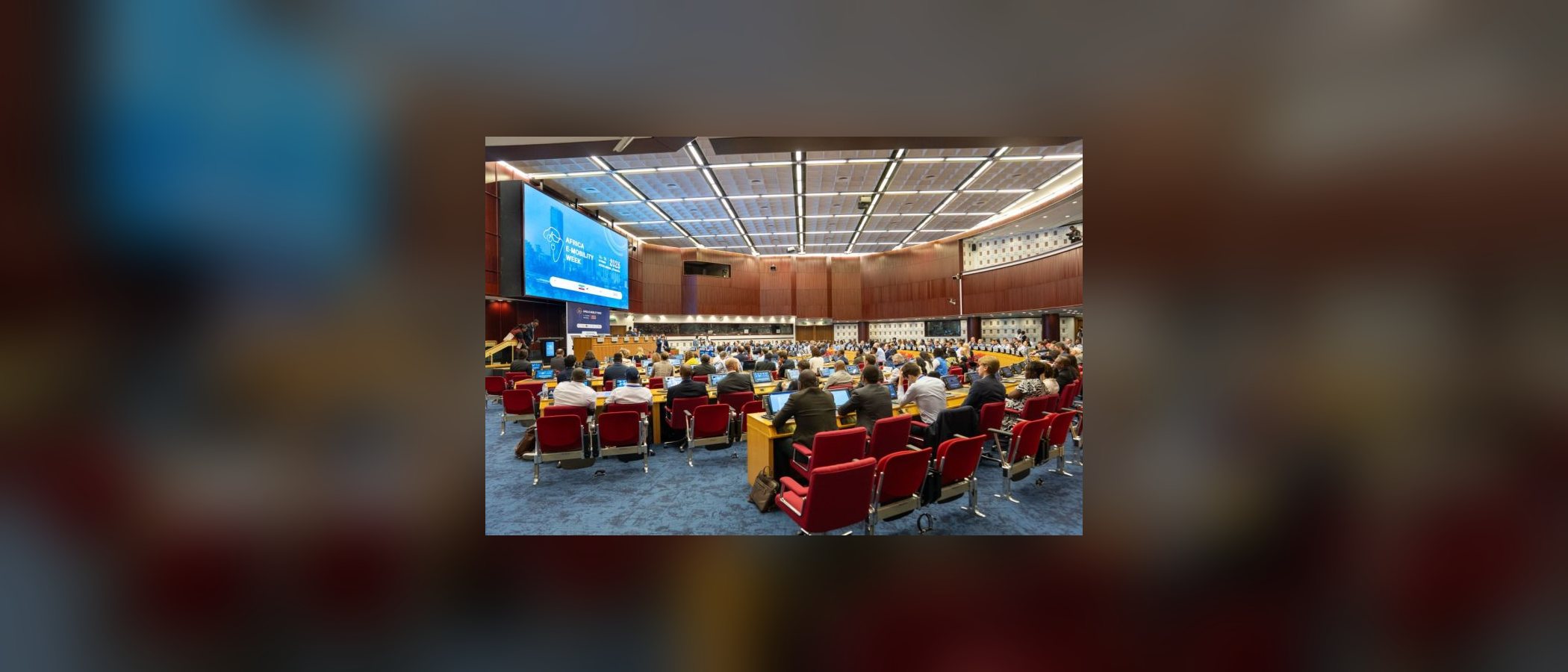
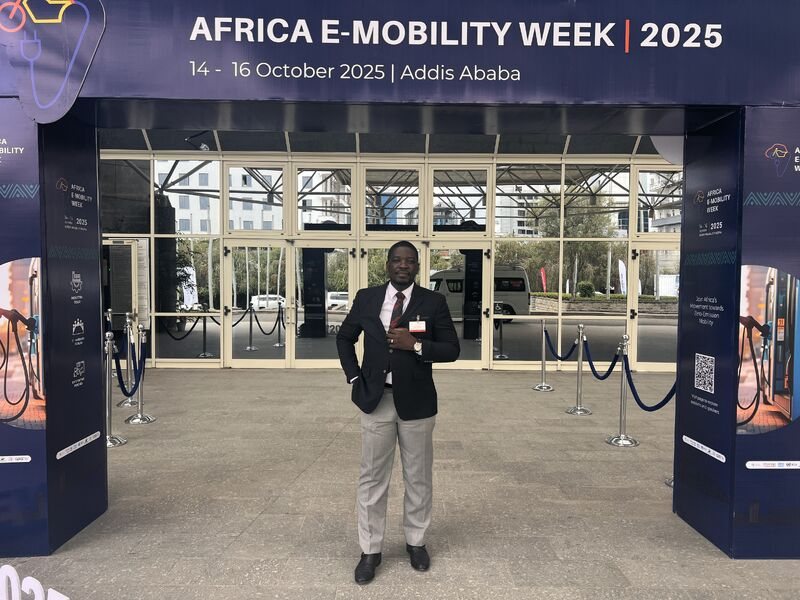
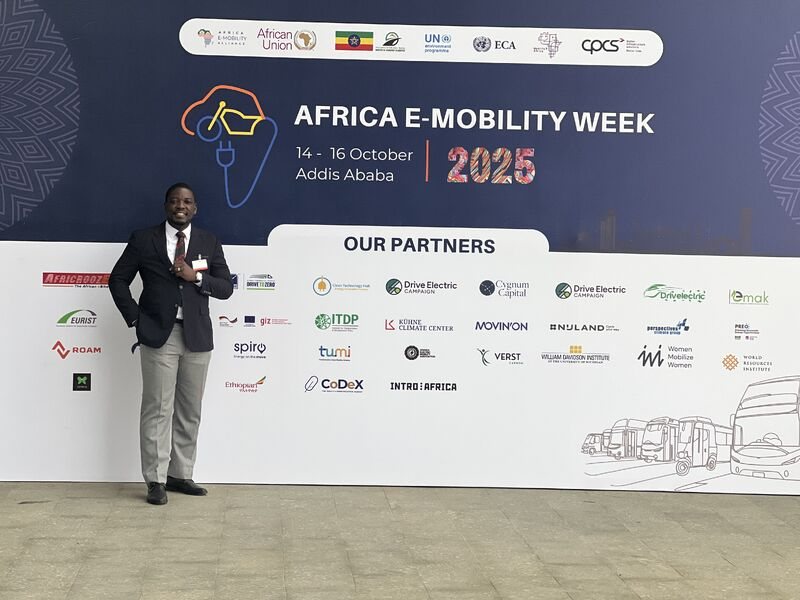
From 14 to 16 October 2025 I took part in Africa E-Mobility Week 2025 (AEW2025) in Addis Ababa, Ethiopia. The event was hosted by the Africa E-Mobility Alliance in collaboration with the UN Environment Programme at the United Nations Economic Commission for Africa, and brought together over 350 delegates from at least 35 countries to discuss how to accelerate the continent's transition to electric mobility. It was also my first visit to Addis Ababa.
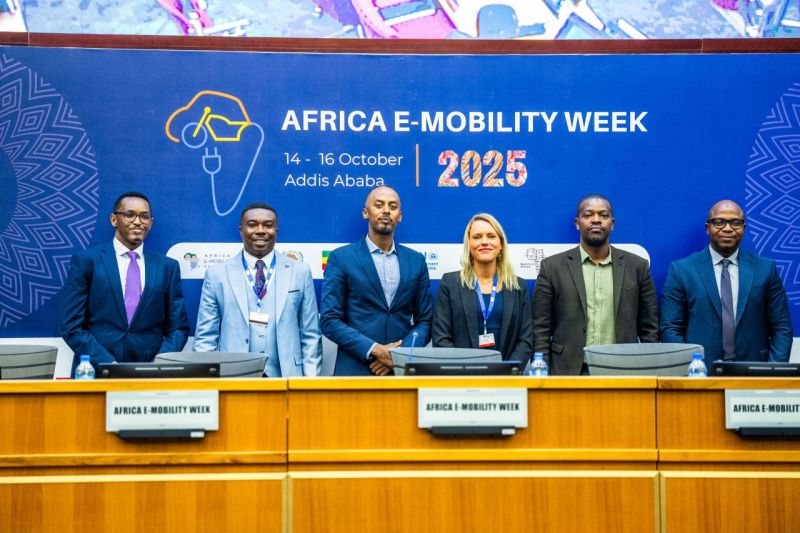
Key takeaways
The discussions across the week returned to three themes that will determine how quickly electric mobility scales in Africa:
- Finance - access to grants and credit for vehicles, infrastructure and local enterprises.
- Infrastructure - both energy supply for charging and the logistics needed to move and service vehicles.
- Technical capacity - in technology and in human resources.
These are not only climate questions. Handled well, electric mobility gives African economies a route to build regional value chains in the EV ecosystem, and to leapfrog conventional paths to industrialisation.
Industry tours
A valuable part of the week was the industry tours, which showed Ethiopia's developing EV manufacturing, battery assembly and charging infrastructure. Seeing these operations in practice made the discussions on value chains concrete: they are evidence that local production and deployment is already under way on the continent.
Engagement
During the week I held discussions with a range of organisations working on e-mobility, including CPCS, the UN Environment Programme, the African Union, The Carbon Trust, KOTRA, Atlantic Meridian EV, Chogori Technology Co., Ltd, GGGI Africa, EV24.africa, the ECOWAS Centre for Renewable Energy and Energy Efficiency (ECREEE), the ECOWAS Commission, Coexlion and AUTO24.africa. I also had useful exchanges with Anabelle DiCarlo, Diana E. Paez, Eng. Eric Ntagengerwa, Valerie Labi, Albina Minja, Edna M. and Alexandre Allanic, several of which may lead to further collaboration.
What should come next
The momentum from the conference needs to turn into policy action. Two priorities stand out to me:
- Supply-side regulation. African countries need stronger supply-side regulation to shape what enters their vehicle markets and to catalyse EV market growth, rather than relying on demand-side measures alone.
- Regional harmonisation. Vehicle markets are connected across borders, so policies should be harmonised within West, East, Central, North and Southern Africa.
I would like to see a future Africa E-Mobility Week hosted in Ghana or elsewhere in West Africa, or at least a key stakeholder round table in the region to work towards harmonisation. On a personal note, the Road to Addis team's work has also made me consider a drive from East Africa to Accra in the future.
Acknowledgements
Thanks to Annika Berlin and Sherlyne Omangi for the invitation and for their work from planning through to execution, and to the Africa E-Mobility Alliance, the UN Environment Programme and the UN Economic Commission for Africa for hosting the event.
Comments
Give a name or stay anonymous. Everything is read before it appears, so there is a wait between posting and publication.
No comments here yet. Yours would be the first.