Local Stakeholder Consultation for the ATEC Ghana eCook Clean Cooking Programme
On 15 September 2026, Eco-Lution Consults convened a hybrid Local Stakeholder Consultation in Accra, Kumasi, Cape Coast and Tamale for ATEC's smart electric cooking programme, prepared under the Ghana-Switzerland cooperative approach under Article 6.2 of the Paris Agreement.
1 October 20264 min read0 likes0 comments
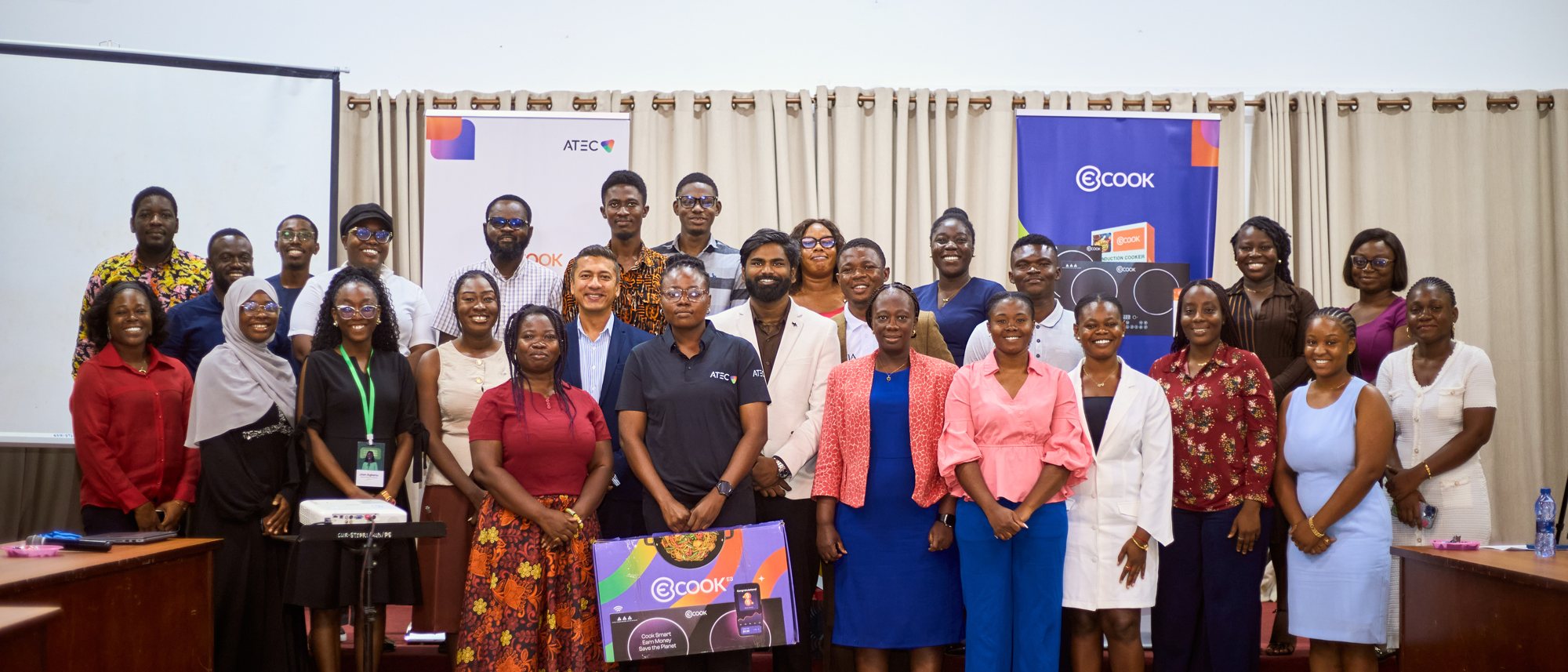
On 15 September 2026, Eco-Lution Consults convened the Local Stakeholder Consultation (LSC) for ATEC's proposed clean cooking programme in Ghana. The Accra session was held at Dr. Frempong Hall, Council for Scientific and Industrial Research (CSIR), and was linked by live video to regional centres in Kumasi, Cape Coast (Elmina) and Tamale.
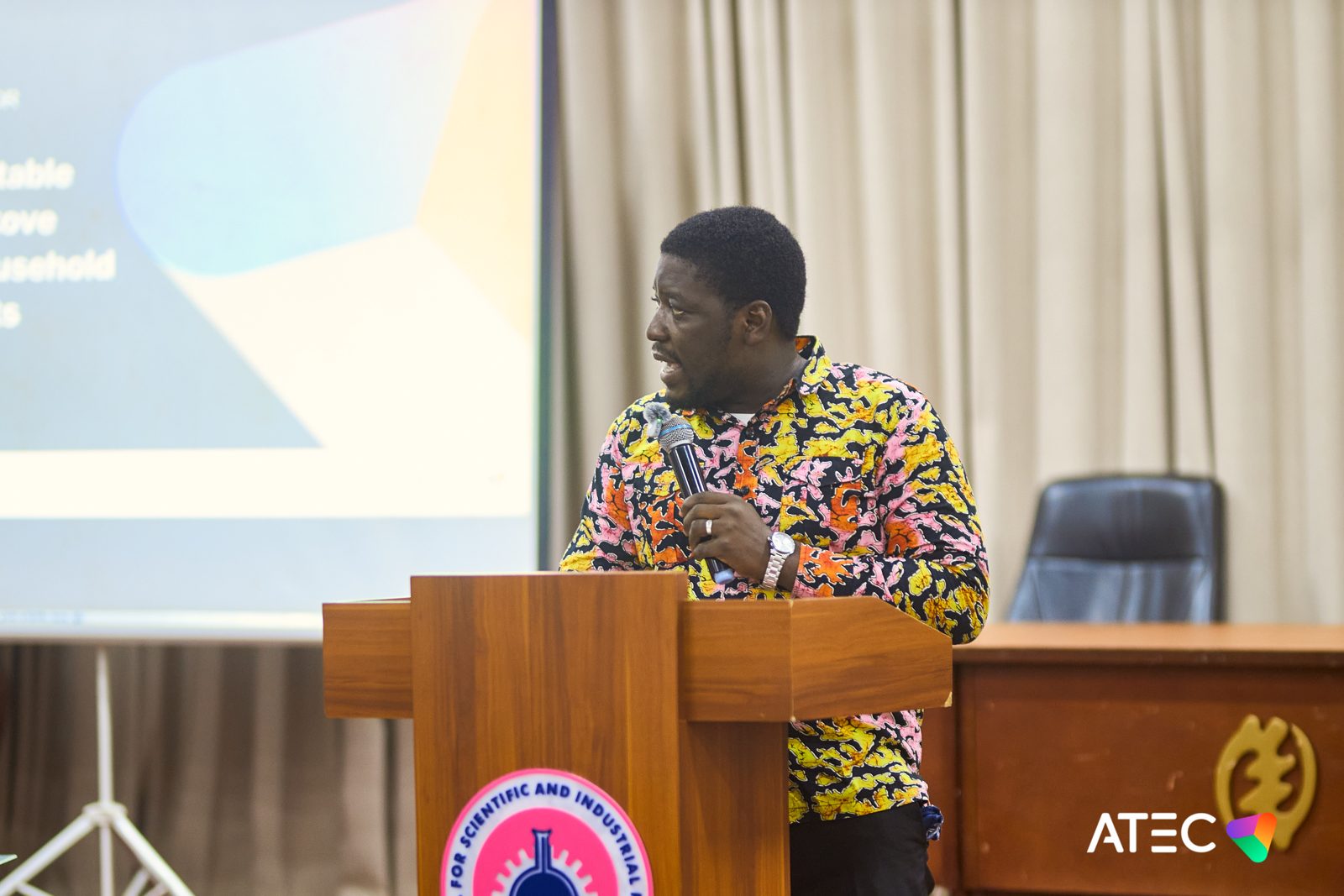
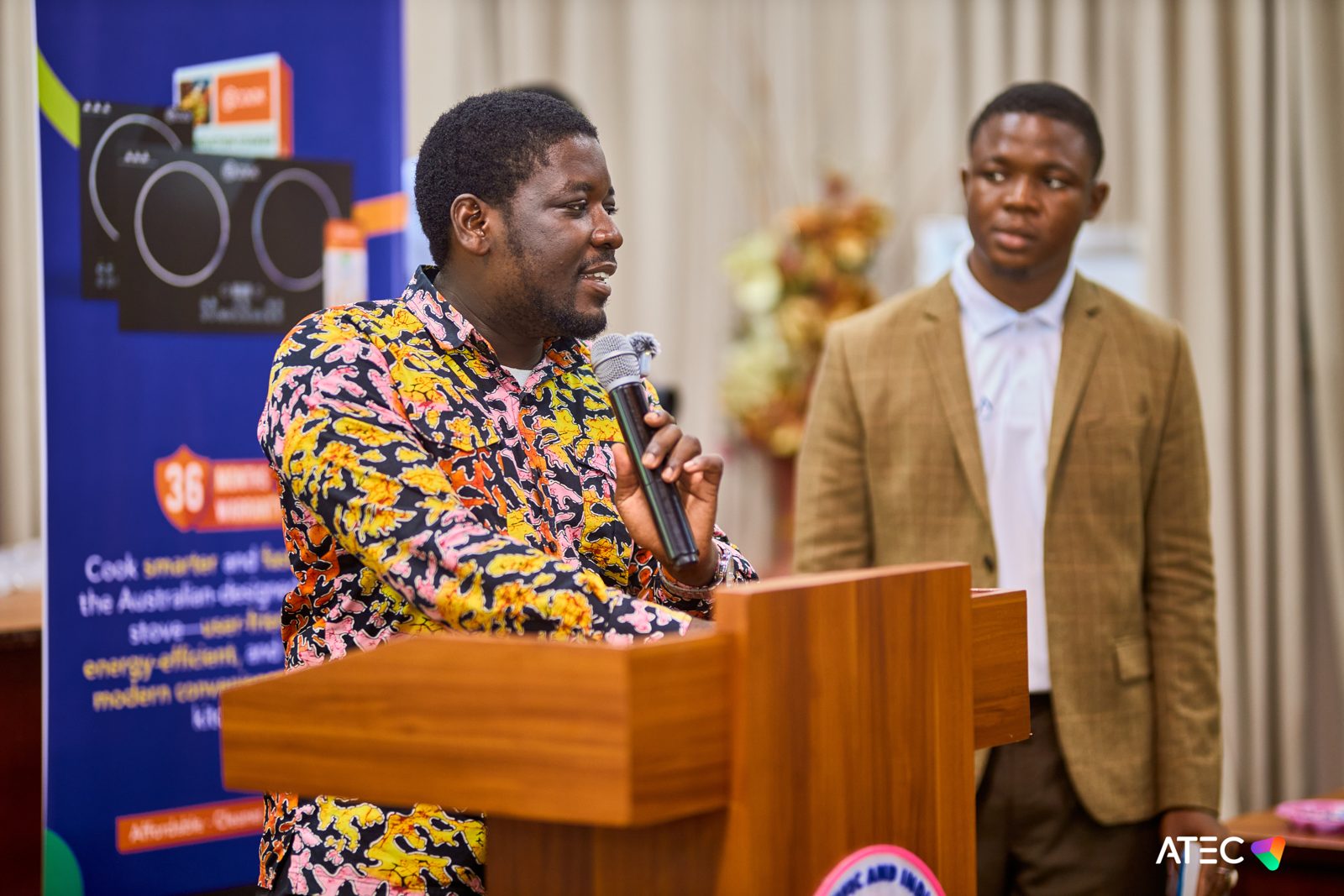
I was part of the Eco-Lution Consults coordination team for the consultation and opened the Accra session, welcoming participants and introducing the firm's role before handing over to the ATEC team.
The programme
The programme, "100% Data-Auditable Smart Electric Stove with Verified Household Carbon Payments" (the Ghana eCook programme), is being developed by ATEC to help urban and peri-urban households move from charcoal to electric induction cooking. It plans to distribute up to 100,000 induction cookstoves, subject to funding and regulatory clearance, with a crediting period running to December 2035.
The programme is being prepared for authorisation under Article 6.2 of the Paris Agreement, as a cooperative approach between Ghana and Switzerland. Once authorised by the Government of Ghana, the mitigation outcomes it generates are expected to be transferred to Switzerland as internationally transferred mitigation outcomes (ITMOs).
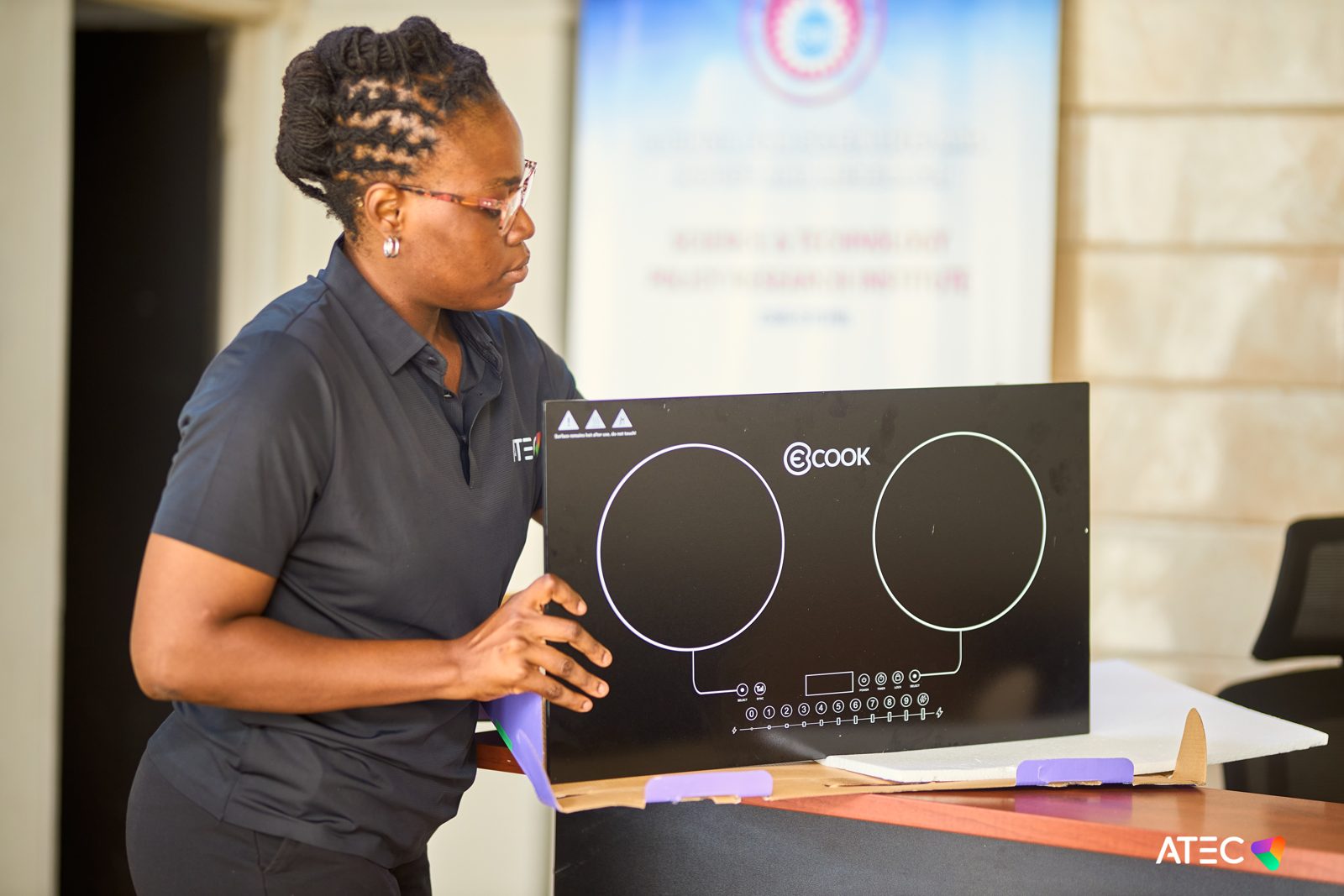
Its distinguishing feature is measurement. Each stove carries an IoT module that reports its electricity use to ATEC's digital monitoring (dMRV) platform around 20 to 24 times a day, so emission reductions are calculated from the measured use of every stove rather than estimated from a small field sample.
Why a consultation
The Gold Standard for the Global Goals requires project developers to consult local stakeholders before a project is implemented. The LSC was designed to inform stakeholders about the programme and its expected benefits, gather feedback from communities, local authorities, government, civil society and charcoal value-chain actors, identify risks and questions, explain how carbon revenues would work, and set up a grievance and feedback channel that continues beyond the meeting.
Ahead of the consultation, the team also held preparatory meetings with the Ministry of Energy and the Energy Commission.
Format and participation
The consultation used a hybrid hub-and-spoke format on a single day, so that regional stakeholders could take part without travelling to Accra. ATEC's presentations were streamed from Accra to the three regional centres, where regional coordinators explained them in the local language and led discussions.
A total of 80 stakeholders took part, excluding facilitators, consultants and the ATEC team: 28 in Accra, 18 in Kumasi, 16 in Cape Coast and 18 in Tamale. Women made up 61 of the 80 participants and were the majority at every hub. This matters for the programme, since women are the main decision-makers on household cooking fuel and the main users the programme intends to reach.
The Accra hub brought together government ministries and agencies, national and international NGOs, civil society organisations and household representatives. The regional centres focused on household women, women leaders of community groups, traditional leaders, including the head of the fishermen's association at Elmina, and NGOs active in each region.
What participants raised
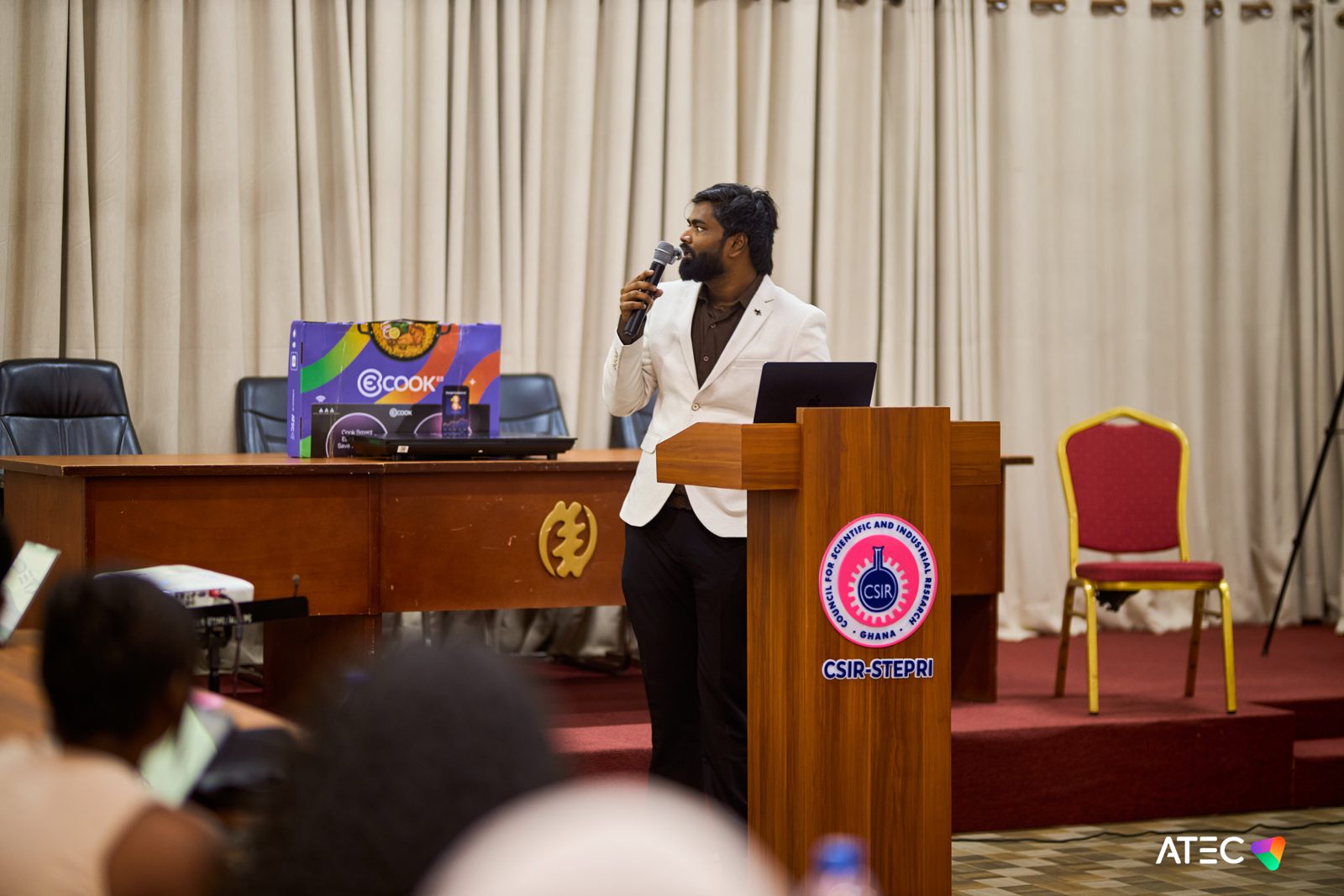
ATEC presented the Ghanaian cooking-energy context, the eCook induction stove, the digital monitoring system, the Cook to Earn incentive scheme, the distribution model and the carbon revenue pathway. Participants then raised 37 questions and comments in plenary, and each regional centre held a breakout discussion on the programme's contribution to six Sustainable Development Goals (SDGs 1, 3, 5, 7, 8 and 13).
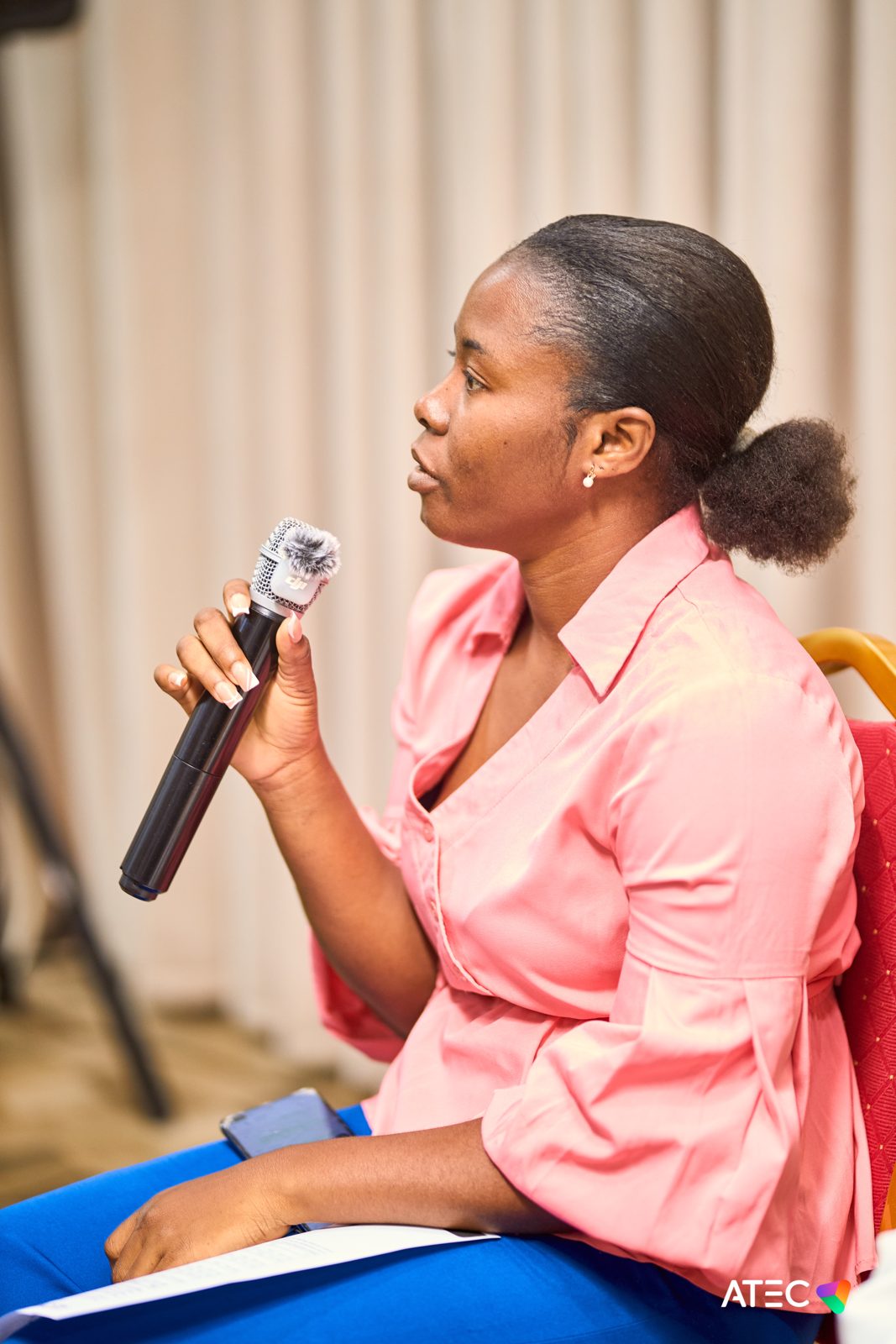
The main themes across the hubs were:
- data privacy and the scope of usage tracking;
- the conditions under which a stove could be repossessed for non-use;
- whether flat induction plates work with local cookware and dishes such as banku, kenkey and smoked fish;
- affordability, subsidies and payment terms, including shared electricity meters in compound housing;
- the reliability of the electricity supply;
- end-of-life disposal and electronic waste; and
- the quality of jobs for local technicians and distributors.
The regional breakouts added location-specific issues that the plenary alone would not have surfaced, such as coastal corrosion and incompatible cookware at Cape Coast, and power supply and cost conditions in Kumasi and Tamale.
Outcomes
No stakeholder identified a Gold Standard safeguarding principle that the programme would breach. The concerns raised were practical design and disclosure matters, and they were recorded in full, including critical and dissenting views, in the consultation report prepared by Eco-Lution Consults.
The report found the programme's objectives broadly supported by the communities and institutions consulted, and consolidated all open items into a follow-up table for ATEC's response during the 15-day stakeholder feedback period. Its evidence will inform the programme's Mitigation Activity Design Document.
Acknowledgements
I thank ATEC for the opportunity, my colleagues at Eco-Lution Consults, the regional coordination teams in Kumasi, Cape Coast and Tamale, CSIR for hosting the Accra session, and all participants for their time and contributions.
Comments
Give a name or stay anonymous. Everything is read before it appears, so there is a wait between posting and publication.
No comments here yet. Yours would be the first.