Open Africa Power 2025: What I Took From the Programme
My account of the Open Africa Power 2025 Italian Module, where I was selected among the Top 10 Performers: the facilities we visited, the closing ceremony at the UNDP Rome Centre, and what I brought home.
17 November 20253 min read0 likes0 comments
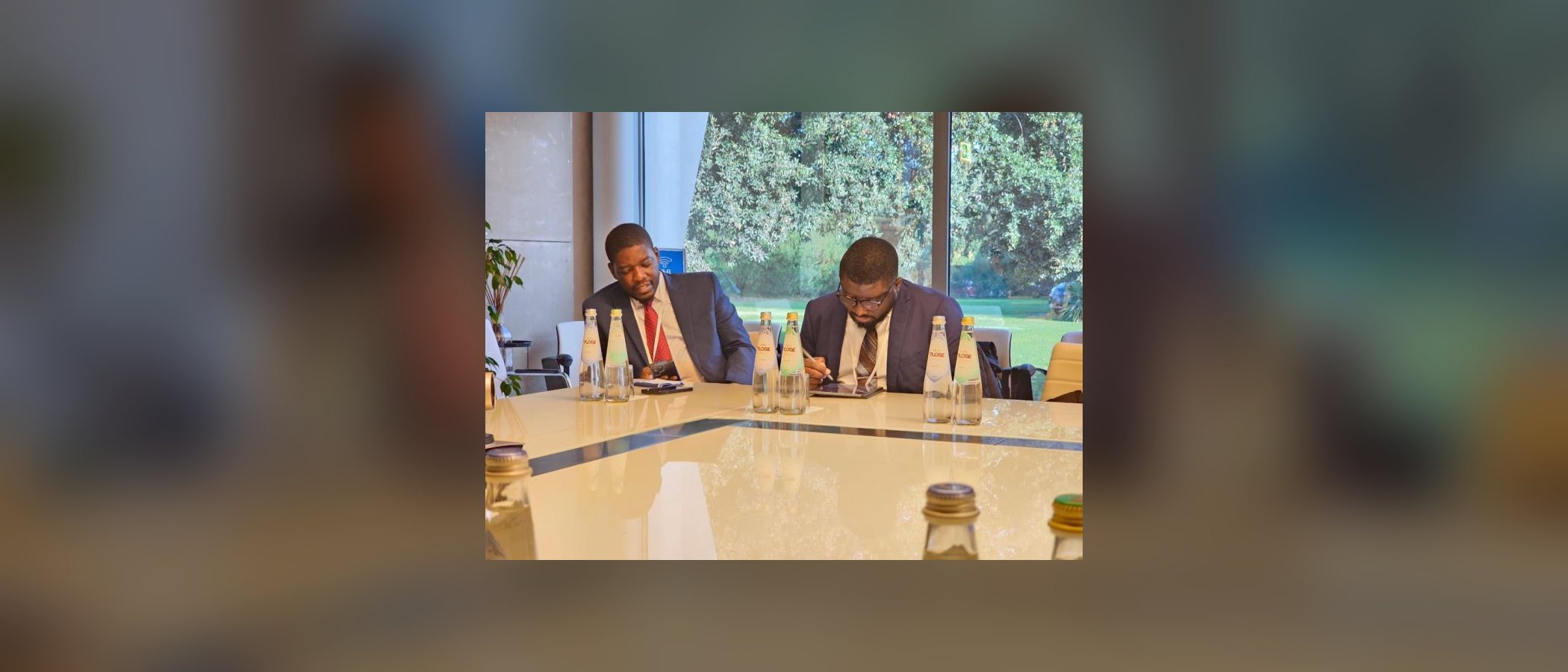
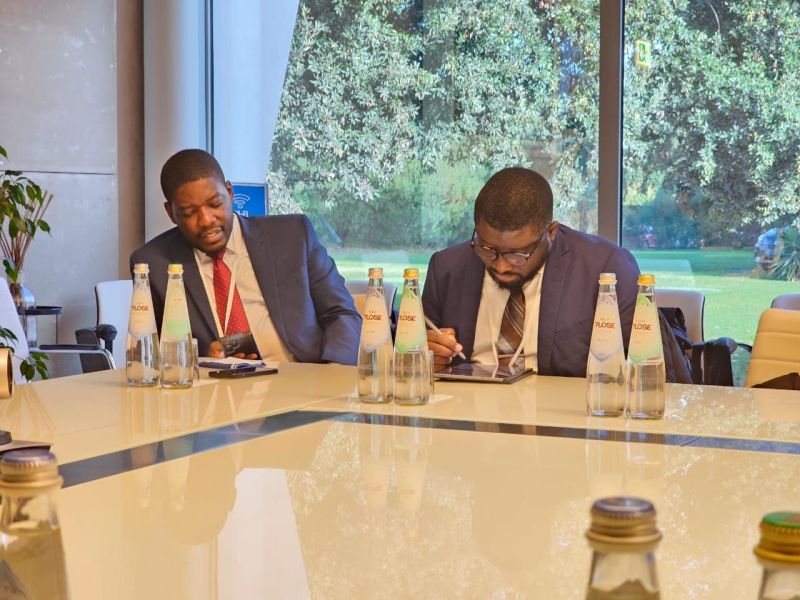
In November 2025, I spent five days in Italy as one of the Top 10 Performers of Open Africa Power 2025, the capacity-building programme for young African energy professionals run by the Enel Foundation with Sustainable Energy for All (SEforALL). The Italian Module combined technical visits to energy facilities with sessions on policy and leadership, and ended with an award and closing ceremony at the UNDP Rome Centre.
This is my account of what the programme involved and what I took from it.
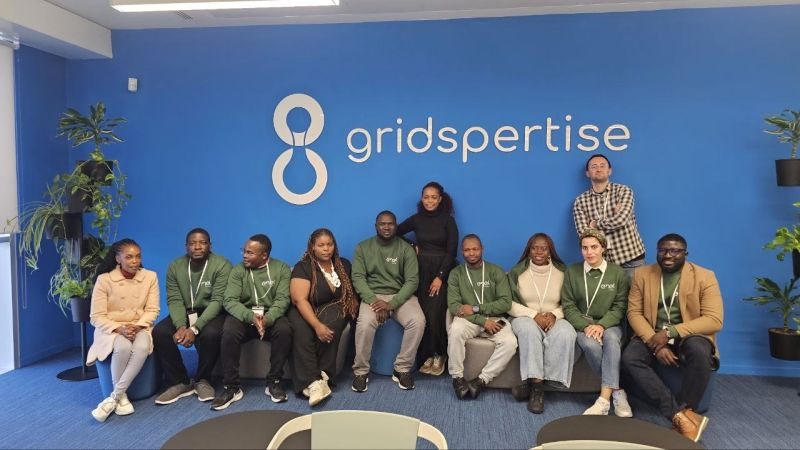
Being selected
Being selected among the Top 10 Performers is one of the most meaningful recognitions of my professional life so far. Its value for me is less the title than what it implies: an obligation to share what I learned, to translate it into action, and to build connections across Africa's energy sector. The programme connected me with nine other professionals from across the continent and gave us tools, networks and a shared sense of purpose for the energy transition.
The programme
The module started in Milan and moved through several regions, with each visit focused on a different part of the energy system:
- Milan: the wind tunnel at the Politecnico di Milano, and the smart grid laboratories at Gridspertise.
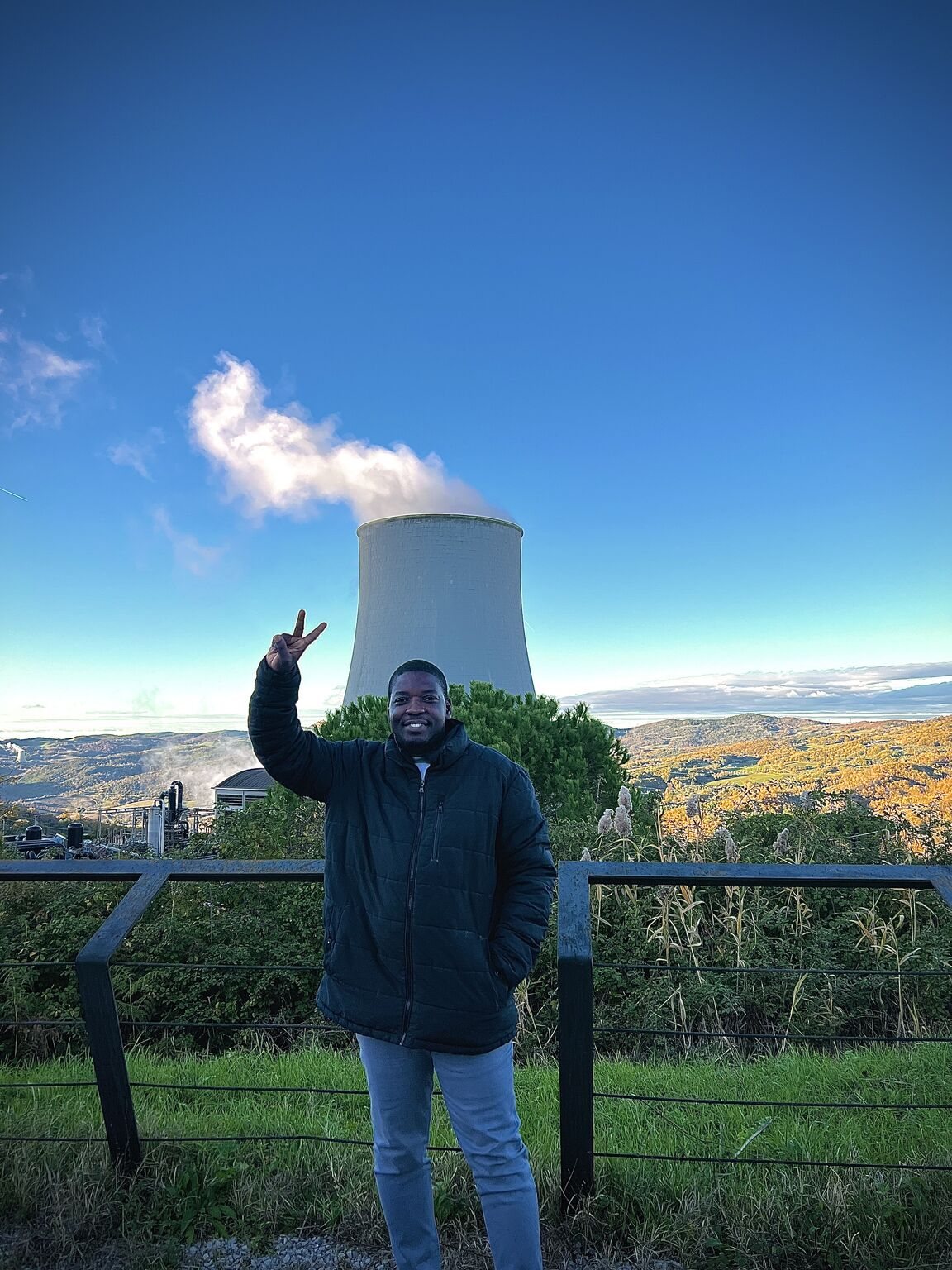
- Tuscany: the geothermal plant and museum at Larderello, and Rondine Cittadella della Pace in Arezzo.
- Lazio: the thermal power plant at Civitavecchia and the historic Acquoria hydroelectric plant in Tivoli, both operated by the Enel Group.
- Abruzzo: the E-Distribuzione Training Center in L'Aquila, where we learned about operational practice in electricity distribution.
Seeing generation, grids and distribution training in one week made the connections between them concrete. A geothermal plant, a thermal plant and a hydroelectric plant each pose different engineering and policy questions, and seeing them side by side is a useful reference point for energy planning in Ghana and the wider region.
The closing ceremony
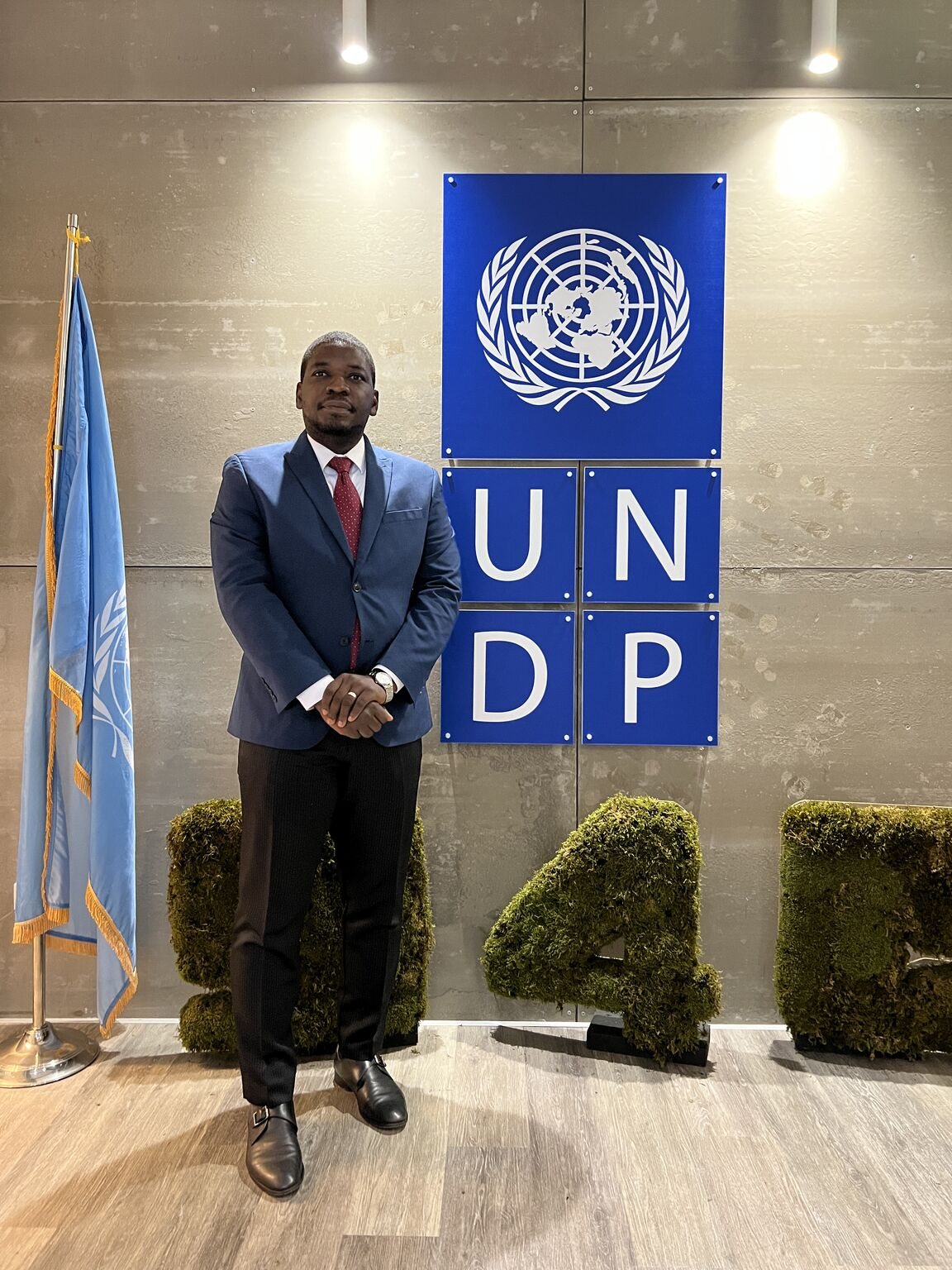
The award and closing ceremony took place at the UNDP Rome Centre. Agostino Inguscio, Giulia Genuardi and Stefano Marguccio gave the welcoming remarks. Each expressed appreciation for the work of the participants and a clear hope that young people will take an active role in shaping Africa's energy transformation. Keynote contributions from Dr. Francis Dennig, Wikus Kruger, Giovanni Maria Mazzacani and Sokoyebom A. broadened our view of what is achievable in the sector.
What I took from it
I returned home with sharper technical knowledge, a stronger professional voice and a clear conviction that the next phase of energy leadership in Africa is already being built by people of my generation, working together. The friendships formed with the other nine participants in a single week are also part of what I brought back, and I expect them to become working relationships.
Acknowledgements
The programme was possible because of the Enel Foundation and Sustainable Energy for All (SEforALL), and their commitment to developing the next generation of African energy leaders. I am grateful to Luca Spinosa, Rosemary Idem and Valentina Dominic, whose coordination kept the group moving smoothly throughout the week. My thanks also go to the speakers named above, and to the people I shared the week with: Immanuel N. Jiya, Kehinde Adeyeye, Amal Nasr, Murendeni Makhado, Halarou Hamza Abarchi, Eng. Valentino Michira, Sheila Sergon, Primrose Vurayai and Ibrahim Sa'id.
Comments
Give a name or stay anonymous. Everything is read before it appears, so there is a wait between posting and publication.
No comments here yet. Yours would be the first.