Shaping Ghana's E-Mobility Policy: Presenting the Policy Working Group Framework at the UNEP Stakeholder Dialogue
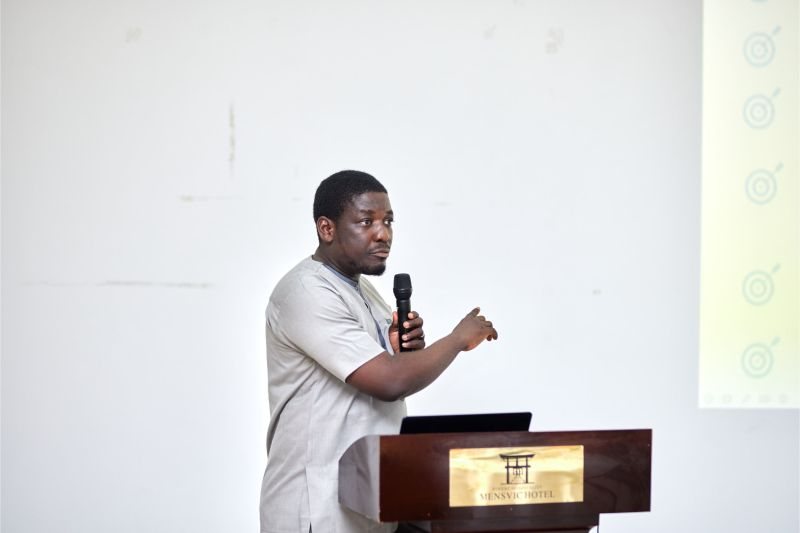
At the Ghana Electric Mobility Stakeholder Dialogue in Accra on 10 April 2025, I presented, on behalf of RCEES, the operational framework for the inter-ministerial E-Mobility Policy Working Group, which stakeholders validated and helped refine.
10 April 20253 min read0 likes0 comments
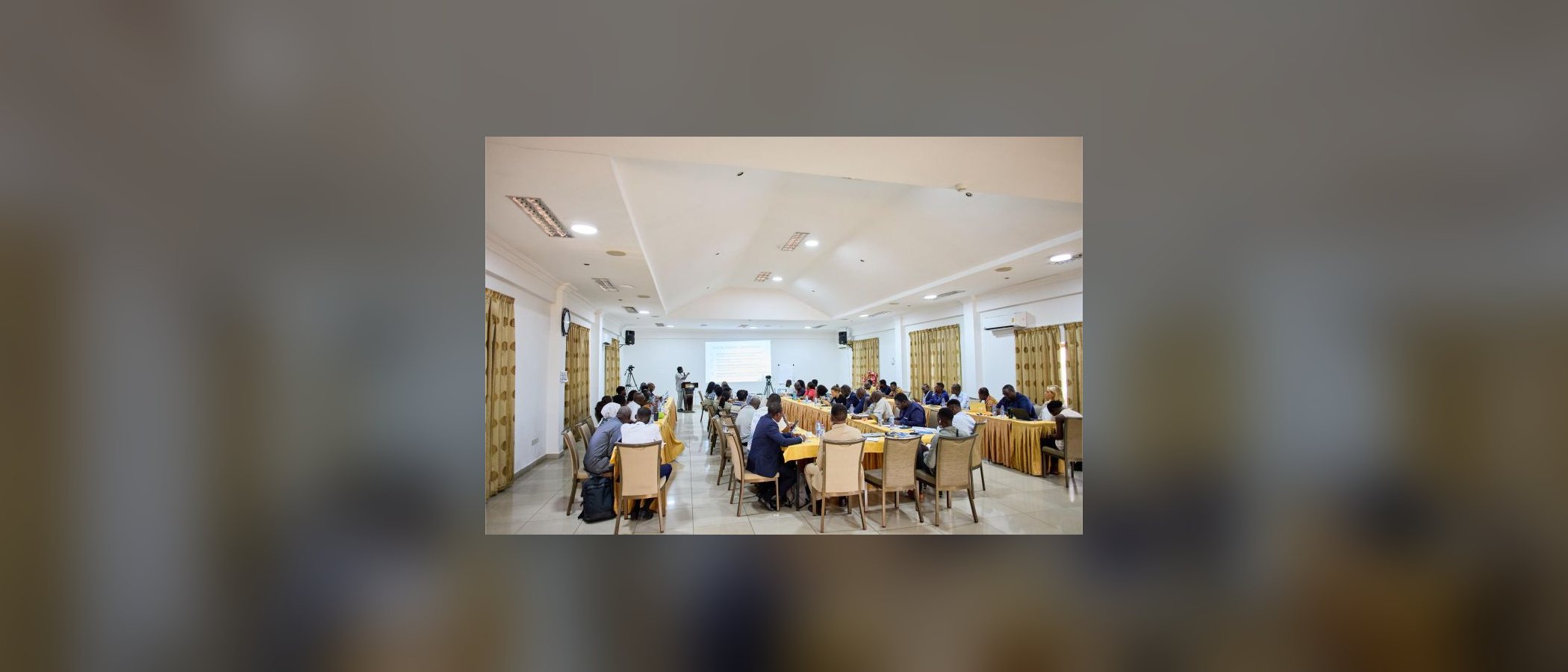
On 10 April 2025, the UN Environment Programme's (UNEP) Sustainable Mobility Unit and its NDC Action project convened the Ghana Electric Mobility Stakeholder Dialogue at the Mensvic Grand Hotel in Accra. The dialogue brought stakeholders together to discuss the next steps in Ghana's transition to electric mobility.
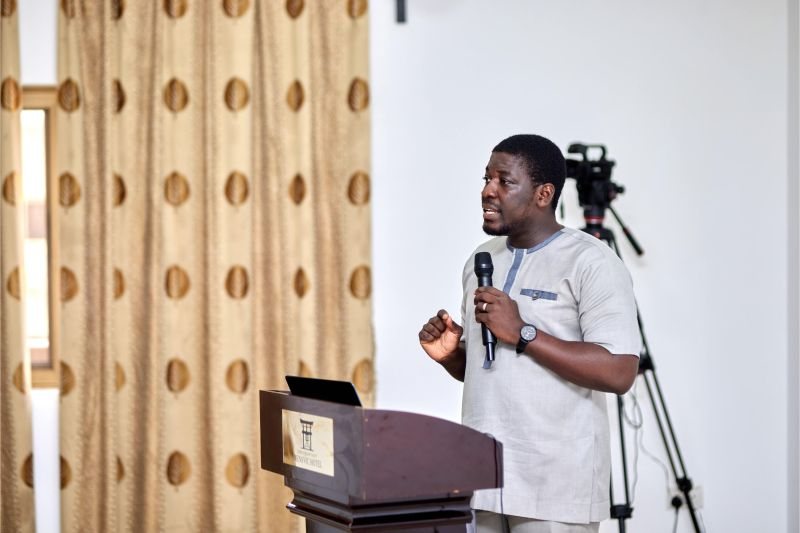
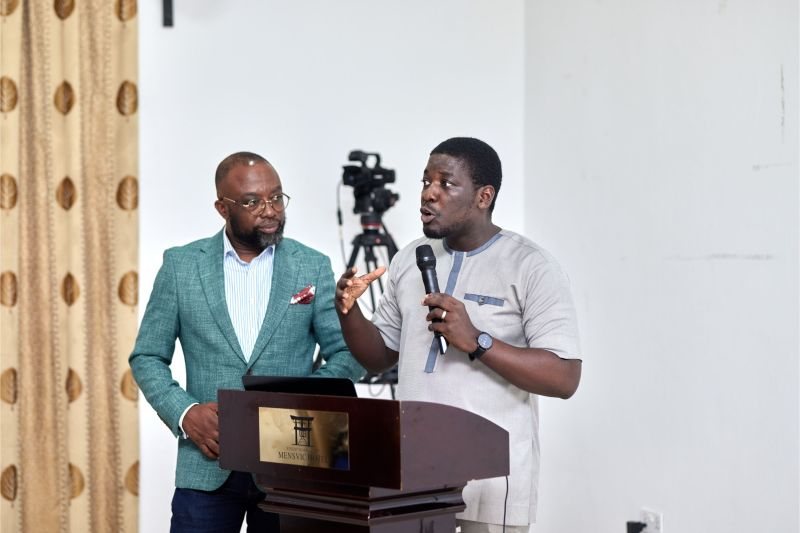
I presented on behalf of the Regional Centre for Energy and Environmental Sustainability (RCEES), an Africa Centre of Excellence at the University of Energy and Natural Resources (UENR). My task was to present, for validation, the operational framework for the E-Mobility Policy Working Group (PWG).
Background
The PWG is an inter-ministerial committee tasked with advancing Ghana's National Electric Vehicle Policy. To do that effectively it needs a clear operating structure: defined areas of responsibility, and a way for stakeholders outside government to feed into its work. The framework I presented was designed to provide that structure.
Why e-mobility matters for Ghana
I opened by setting out the case for action with two figures from the presentation:
- Emissions: the transport sector accounts for 80% of Ghana's CO2 emissions.
- Health and economic cost: air pollution costs Ghana an estimated USD 1.6 billion every year.
Together these point to the urgent need to accelerate the adoption of electric vehicles.
The PWG operational framework
The core of the framework is a set of four Special Interest Groups (SIGs), each responsible for one pillar of a comprehensive e-mobility strategy:
- Regulations and Guidelines - the standards, rules and guidance needed to govern electric vehicles and their supporting systems.
- Finance and Logistics - financing mechanisms and the logistical requirements of the transition.
- Awareness and Capacity Building - public understanding and the technical skills needed across the sector.
- Infrastructure Development - the charging and related infrastructure that wider EV adoption requires.
Participants reviewed the framework and provided feedback, which was incorporated to refine it. The stakeholders validated the framework as the basis for the PWG's operations.
Supply-side regulation for e-mobility
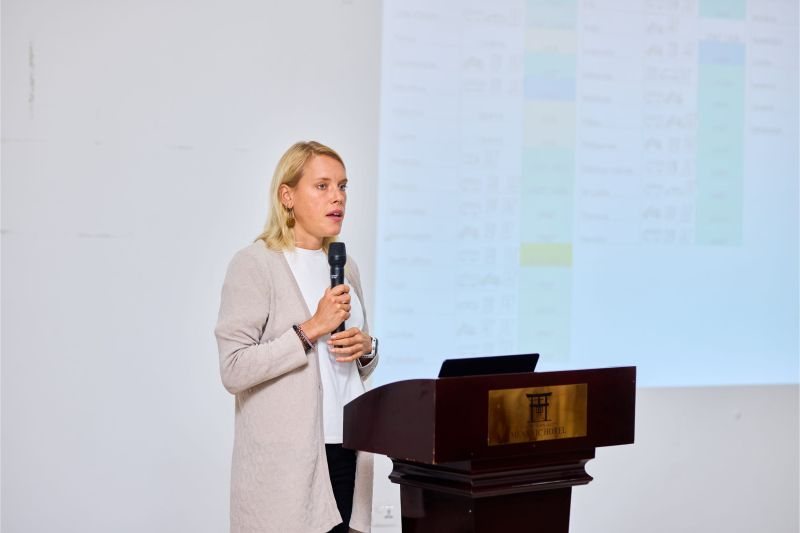
The main presentation of the day was delivered by Annika Berlin of UNEP, on supply-side regulation (SSR) for electric mobility. She outlined UNEP's global support for e-mobility and the role SSR can play in accelerating EV adoption. She also addressed the particular challenges of Ghana's import-driven vehicle market and the need for alignment with ECOWAS standards. Her presentation provided a strong foundation for the discussions and for future work.
Proceedings
The dialogue was chaired by Prof. Eric Ofosu Antwi. The welcome address was delivered by Mr. Thomas Kankam Adjei, National Coordinator of UNEP's NDC Action Project in Ghana, who set the tone for the day's discussions.
What came next
The dialogue fed into later work. Over 2025-2026, RCEES worked with UNEP to develop Ghana's supply-side regulation for electric mobility, the Zero Emission Vehicle (ZEV) Sales Standard. The April 2025 discussions on SSR, Ghana's import-driven market and ECOWAS alignment, together with the PWG framework validated at the dialogue, formed part of the groundwork for that standard.
Acknowledgements
I thank UNEP's Sustainable Mobility Unit and the NDC Action project for organising the dialogue, Annika Berlin for her presentation, Prof. Eric Ofosu Antwi for chairing the proceedings, and Mr. Thomas Kankam Adjei for his welcome address. I am also grateful to all participants for their contributions, and it was good to reconnect with Noah Bugre and Andrew Boamah Asare.
Comments
Give a name or stay anonymous. Everything is read before it appears, so there is a wait between posting and publication.
No comments here yet. Yours would be the first.