Traditional Knowledge and Africa's Clean Energy Transition: Panel at the Future of Energy Conference 2025
I spoke on a side-event panel at the Future of Energy Conference 2025 in Accra on how traditional ecological knowledge can strengthen clean energy innovation, and why the intellectual property of indigenous technologies needs protecting.
26 August 20252 min read0 likes0 comments

The Future of Energy Conference 2025 was convened by the Africa Centre for Energy Policy (ACEP) and the Enzi Ijayo Africa Initiative at the Labadi Beach Hotel, Accra, on 26-27 August 2025. I took part as a speaker on the panel of one of the conference side events, representing the Regional Centre for Energy and Environmental Sustainability (RCEES).
The side event, "Building Africa's Resilient Energy Future: The Role of Traditional Knowledge in Clean Energy Innovation and Transitions", was organised jointly by the Green Africa Youth Organization (GAYO) and the Strategic Youth Network for Development (SYND Ghana). I shared the panel with Gloria Kafui Kuzo (SYND) and Efua Nyamekye Appiah (GAYO).
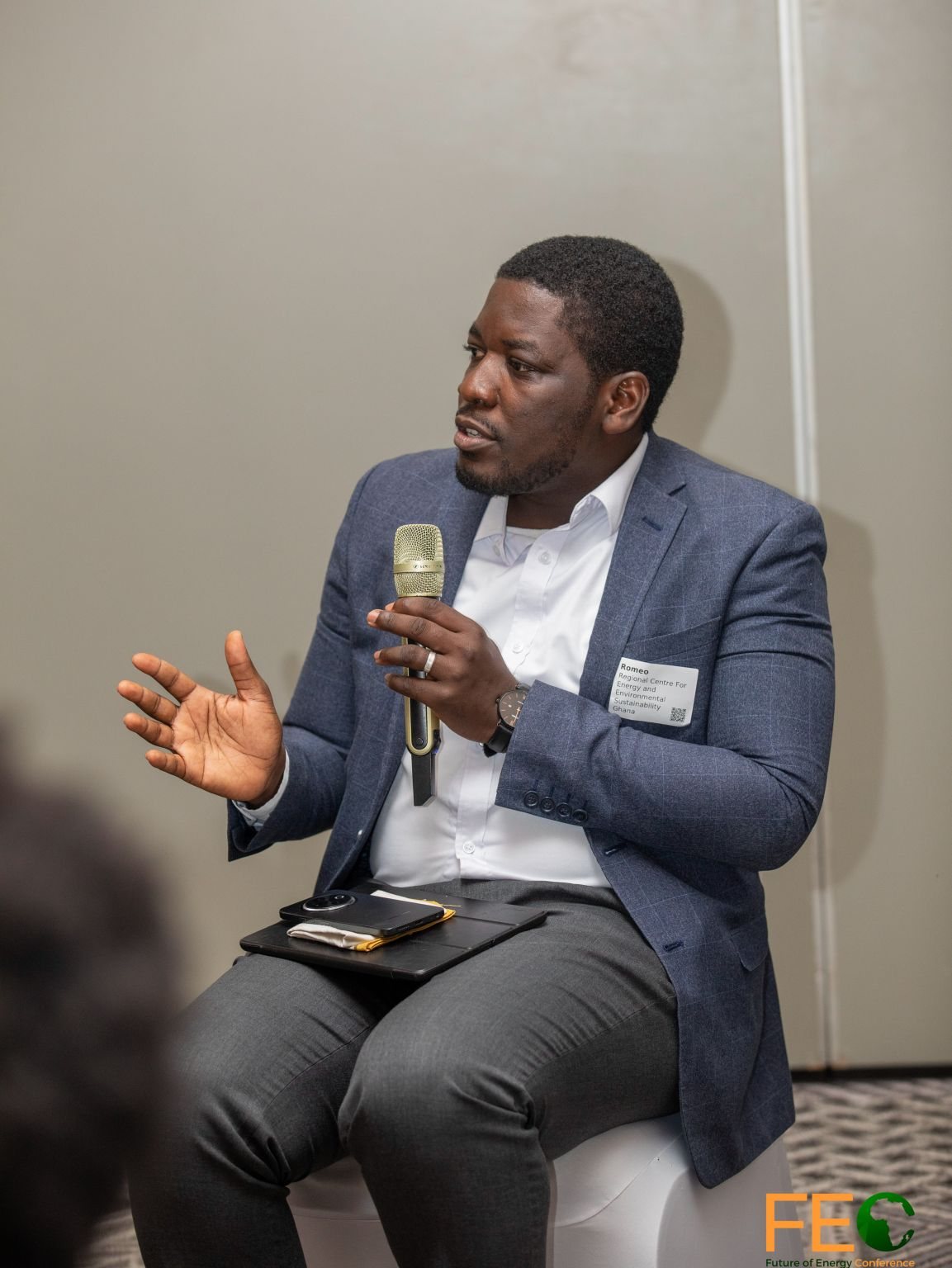
The session
The 60-minute session examined how Traditional Ecological Knowledge (TEK) can strengthen modern clean energy solutions, support youth-led innovation and contribute to equitable energy transitions across Africa. The panel addressed three main questions:
- How indigenous communities have historically adapted to environmental challenges.
- What untapped potential traditional technologies hold for today's energy transitions, including clean cooking and indigenous green buildings.
- How modern technology and TEK can complement each other to build climate resilience.
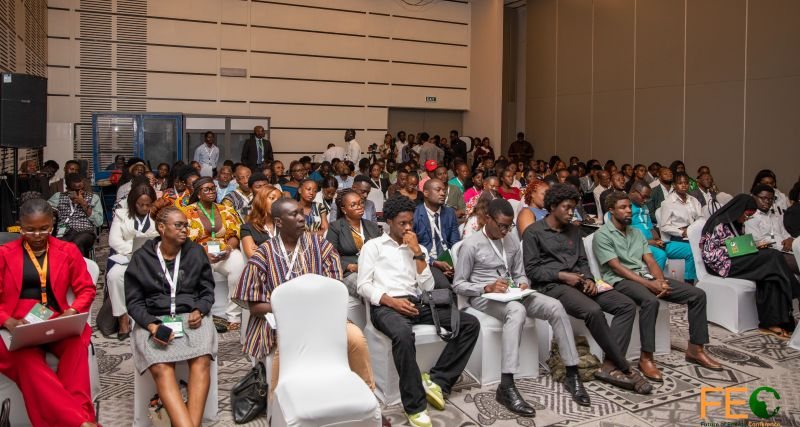
Breakout discussions
Interactive breakout sessions followed the panel. Participants discussed how indigenous practices could be adapted for:
- bioenergy;
- clean cooking;
- energy-efficient building based on indigenous design;
- solar energy and battery storage.
The discussions also considered the risks of leaving TEK out of energy policy, in particular the gradual erosion of knowledge that communities have built up over generations.
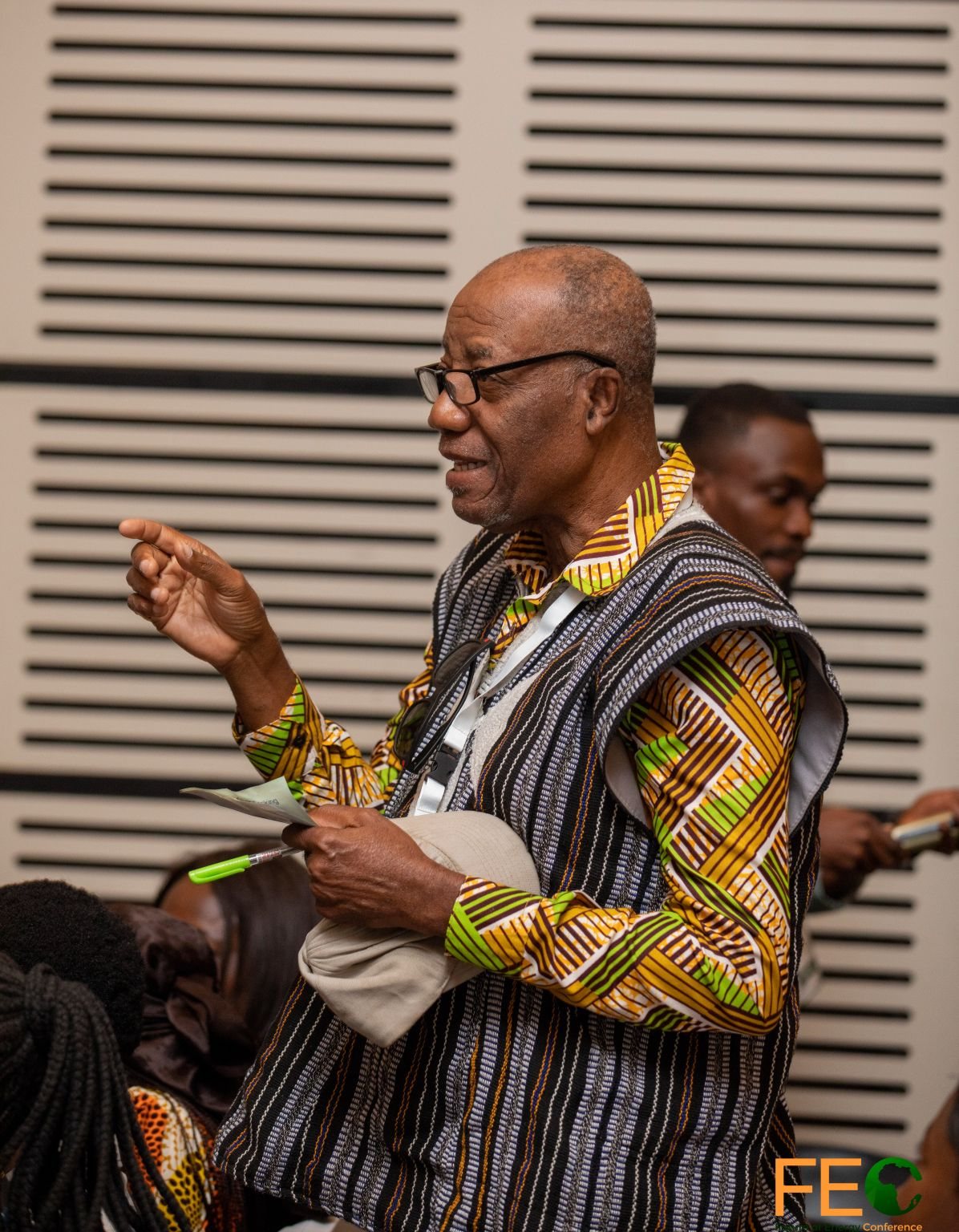
My key point: protecting indigenous technologies
In my closing contribution I argued that indigenous technologies need to be systematically documented and their intellectual property (IP) protected. Without this, the knowledge holders lose recognition and benefit, and promising traditional solutions cannot be preserved or scaled responsibly. Collating this knowledge is the first step towards building it into clean energy research, product development and policy.
Outcomes
The session closed with practical recommendations for policymakers, innovators and young people on integrating TEK into Africa's green agenda. As cited during the session, the green economy is projected to create over 3.3 million jobs by 2030, and some 400,000 jobs in Ghana alone by 2070, which underlines the value of making sure local knowledge and local people are part of that transition.
Acknowledgements
I thank Efua Nyamekye Appiah and the Green Africa Youth Organization (GAYO), together with SYND Ghana, for the invitation to contribute, and Gloria Kafui Kuzo for a productive exchange on the panel. My thanks also go to ACEP and the Enzi Ijayo Africa Initiative for convening the conference.
Photographs: Future of Energy Conference.
Comments
Give a name or stay anonymous. Everything is read before it appears, so there is a wait between posting and publication.
No comments here yet. Yours would be the first.