Presenting the Green Business and Jobs Tracker to UNDP Ghana
With Noah Bugre of UNIYIA, I presented the proposed Green Business and Jobs Tracker to UNDP Ghana in March 2026. This post covers the concept, the issues raised and the agreed next steps.
10 March 20263 min read0 likes0 comments
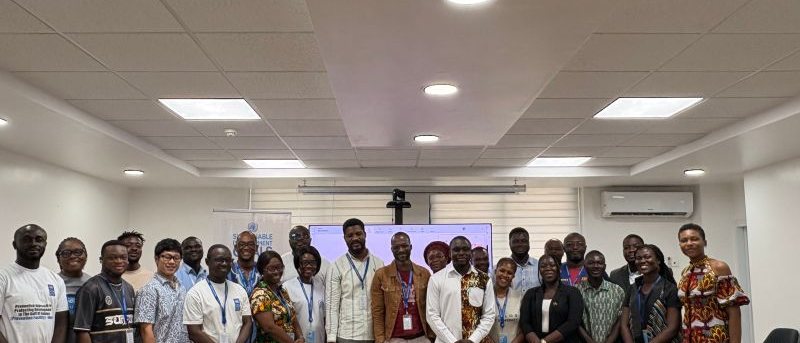
In March 2026, Noah Bugre, General Manager of the United Youth Initiative for Africa (UNIYIA), and I presented the proposed Green Business and Jobs Tracker to UNDP Ghana at a Brown Bag session convened by UNDP Ghana with UNIYIA. UNDP circulated the session flyer on 3 March 2026 and shared an account of the session on 13 March 2026.
The tracker is a proposed digital system to make green employment visible and measurable in Ghana, and to link it directly to climate action. The session was an open exchange with UNDP staff and partners on how such a system could support government, the private sector and youth-led initiatives working at the intersection of climate action, innovation and employment.
Background
Green jobs are counted poorly almost everywhere, because the enterprises that create them do not fit the categories that official statistics already use. As Ghana moves into the implementation period of its NDC 3.0 commitments, there is a practical question about how the country will show the real economic effect of its climate action, including the jobs it creates.
What we presented
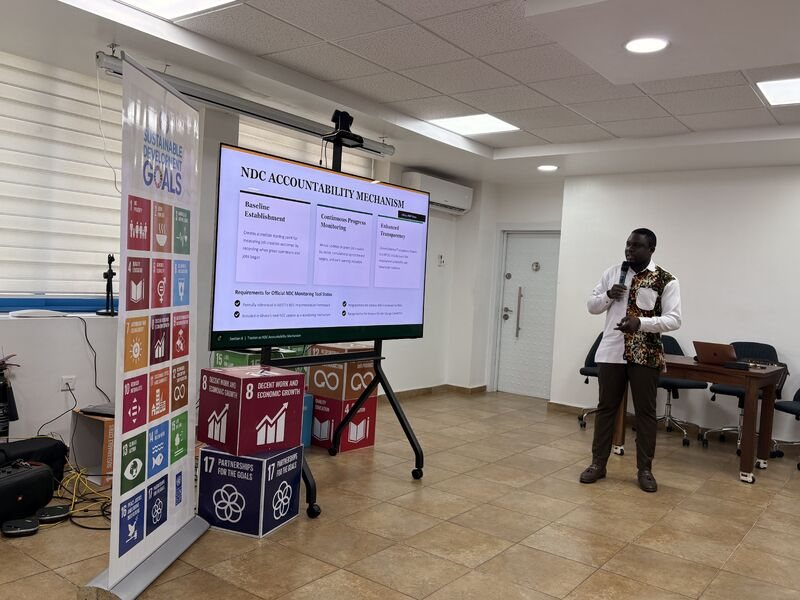
The Green Business and Jobs Tracker is designed to make green enterprise activity and green employment visible inside Ghana's official data systems, rather than alongside them. The main ideas we presented were:
- An NDC accountability mechanism. The tracker is built as an accountability tool for the NDC 3.0 implementation period, covering baseline establishment, continuous progress monitoring and enhanced transparency.
- Reporting-led design. The data model is designed backwards from a reporting obligation: its output is structured to feed Ghana's Biennial Transparency Reports to the UNFCCC.
- Evidence for policy and investment. By connecting green investments with the jobs they create, the tracker can strengthen evidence-based policymaking and help government and partners see where climate finance is producing employment.
Key issues raised
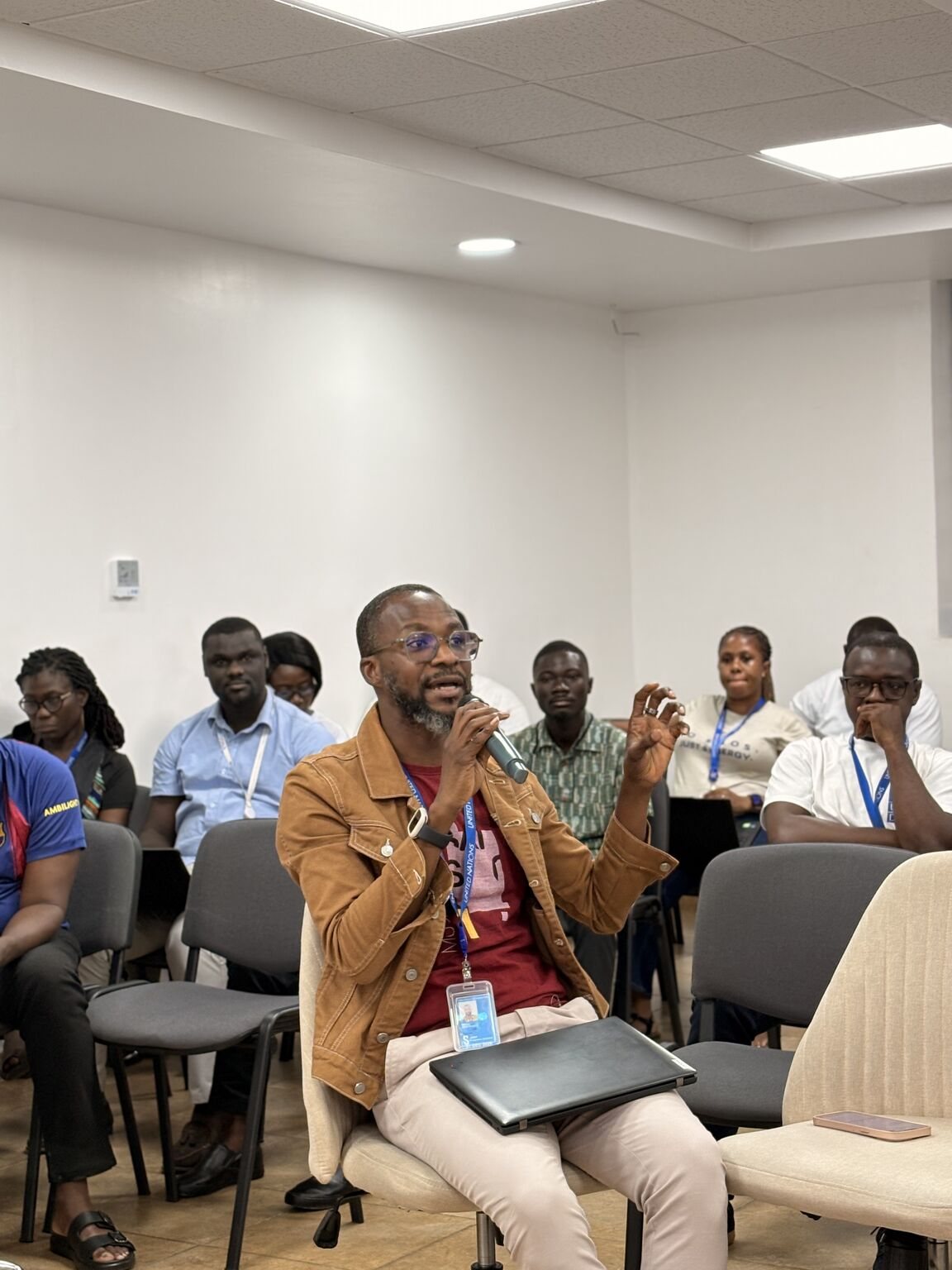
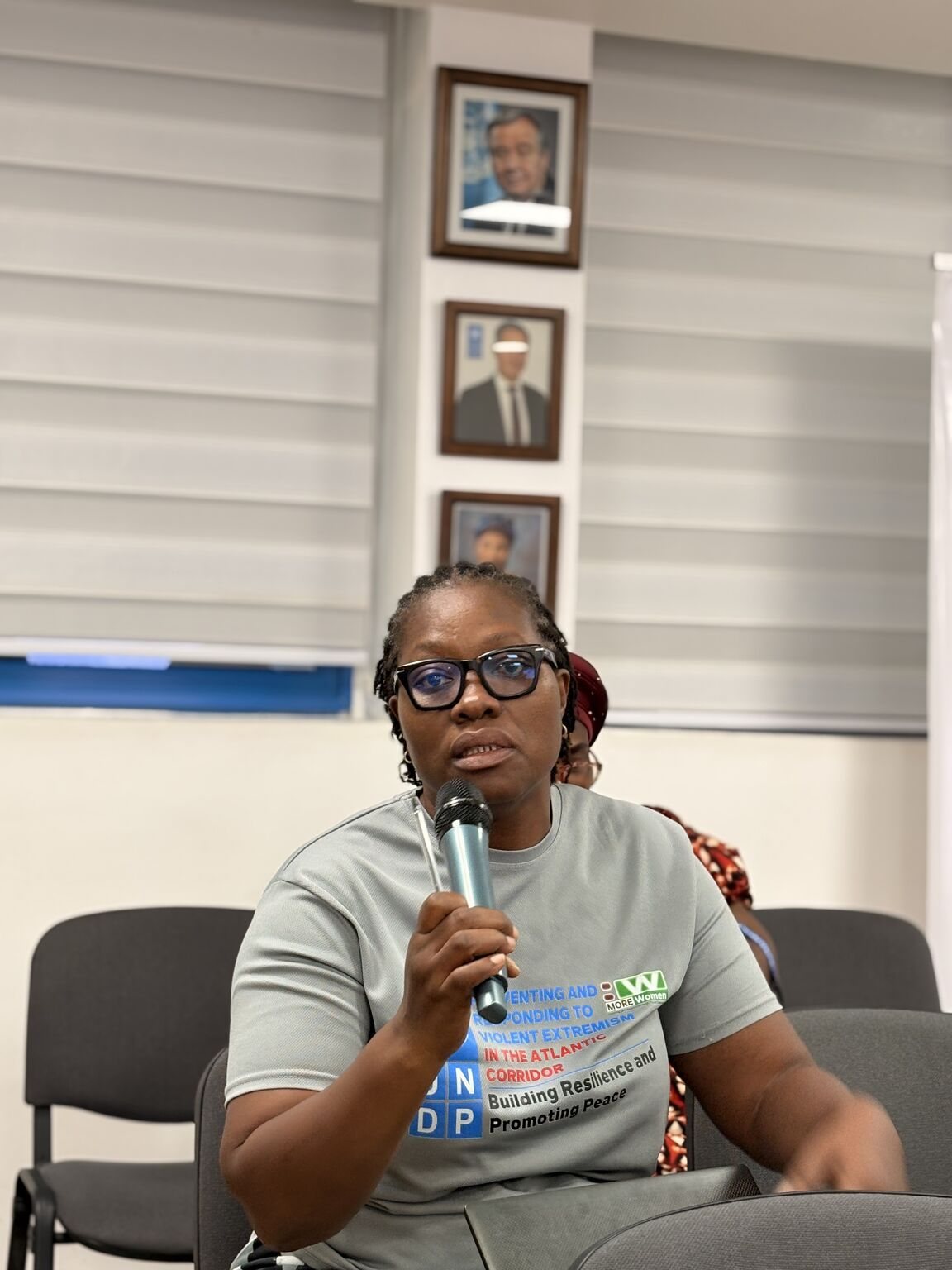
UNDP's follow-up in June 2026 recorded the main issues from the discussion:
- The need for clear institutional leadership and governance, including co-leadership by the relevant ministries and technical oversight.
- Capturing informal and rural green jobs will require both digital and field-based data collection.
- Data credibility and verification are essential to prevent greenwashing.
- The tracker has potential as a market facilitation and financing tool, including links to carbon credit opportunities.
Agreed actions and follow-ups
The key actions identified were:
- National consultations to arrive at a country-owned definition of green jobs and green businesses.
- A Technical Working Group bringing together UN agencies and national stakeholders.
- Formal data partnerships, including with the Registrar General's Department and the Municipal Assemblies.
- Incentives for uptake, such as linking registration on the tracker to eligibility for funding.
- Moving the platform from prototype to a nationally embedded system.
- Resources for field validation and rural outreach.
The follow-ups include stakeholder engagement on the definition and on governance, early collaboration with the National Development Planning Commission (NDPC), work with the ILO to integrate the tracker into the labour market information system, engagement with donor partners, and a clear distinction between NDC-related and non-NDC-related green jobs.
Outcome
Following the session, UNDP Ghana shared a draft Memorandum of Understanding with UNIYIA to formalise collaboration on the tracker. The feedback from the session has given the concept a clearer path: the next stage depends less on the software and more on governance, a national definition and data partnerships, which is where the work now sits.
Acknowledgements
I thank UNDP Ghana for convening the Brown Bag session and for the detailed follow-up, the participants for their questions and contributions, and Noah Bugre and the UNIYIA team for co-leading the work.
Photographs: UNDP Ghana.
Comments
Give a name or stay anonymous. Everything is read before it appears, so there is a wait between posting and publication.
No comments here yet. Yours would be the first.